
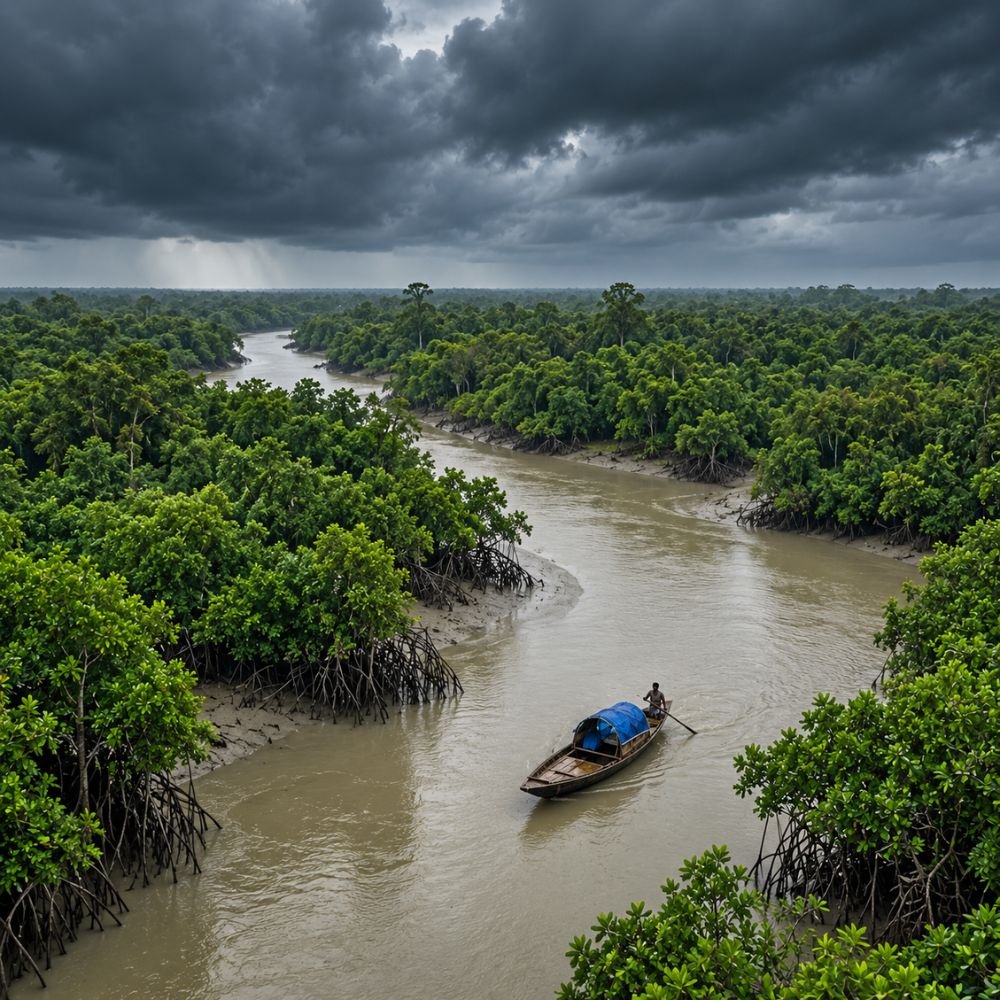
Best Time to Visit
October to February is generally the most comfortable time for river journeys, birding and sightseeing. March to May is warmer, while monsoon weather can affect forest access and boat movement.
A practical checklist to help you prepare for the waterways, weather, wildlife and relaxed rhythm of the delta.
A practical set of travel essentials covering season, transport, packing, accommodation, safety and photography before you begin your Sundarban journey.
October to February is generally the most comfortable time for river journeys, birding and sightseeing. March to May is warmer, while monsoon weather can affect forest access and boat movement.
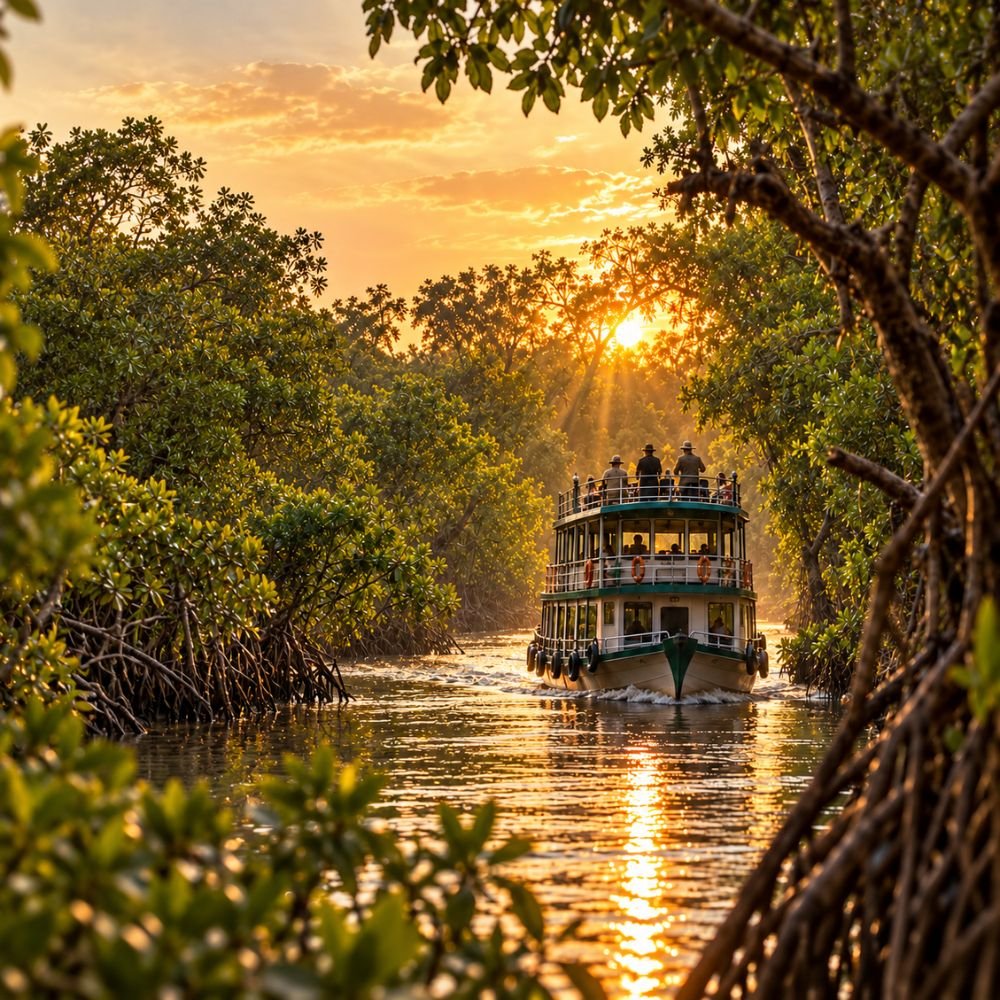
Most journeys begin from Kolkata and continue towards Canning, Sonakhali or Godkhali before the final river transfer. Your exact route depends on the selected package and pickup arrangement.
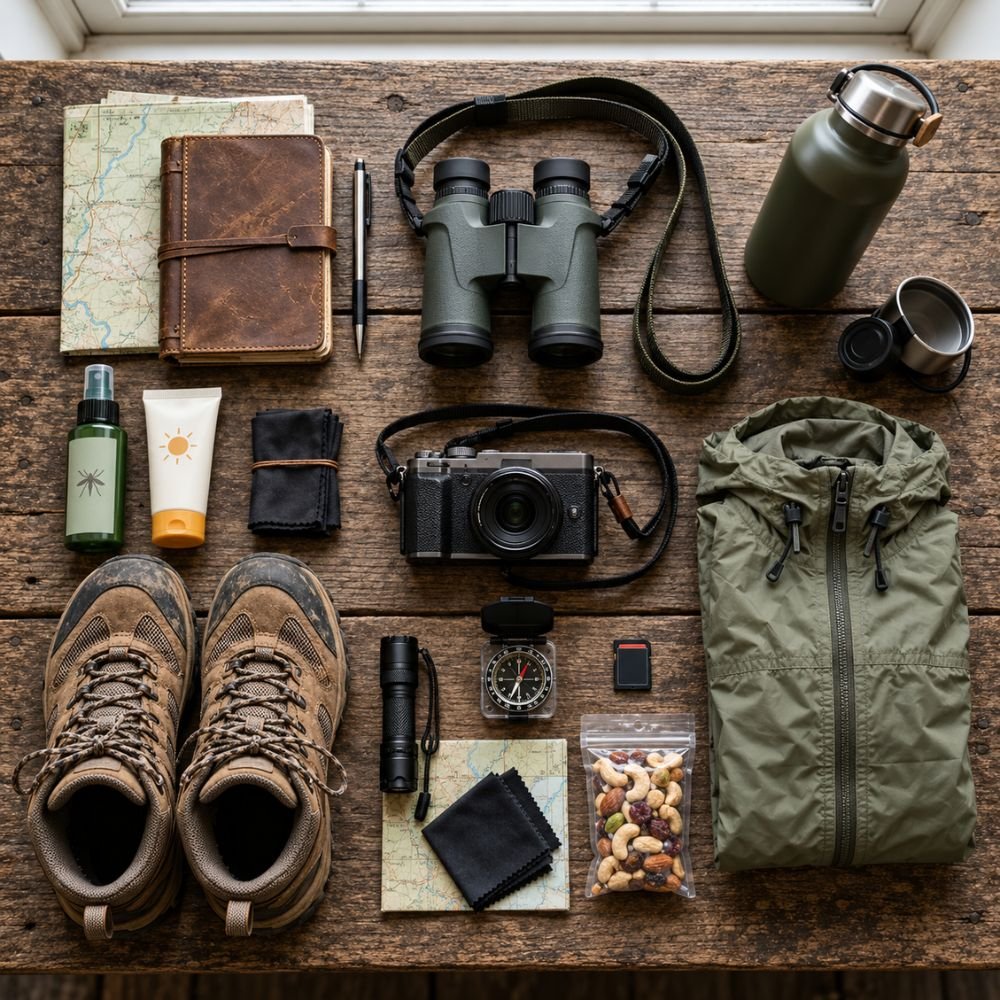
Carry light breathable clothes, comfortable footwear, sun protection, insect repellent, personal medicine, binoculars, camera protection, a power bank and a valid photo ID.
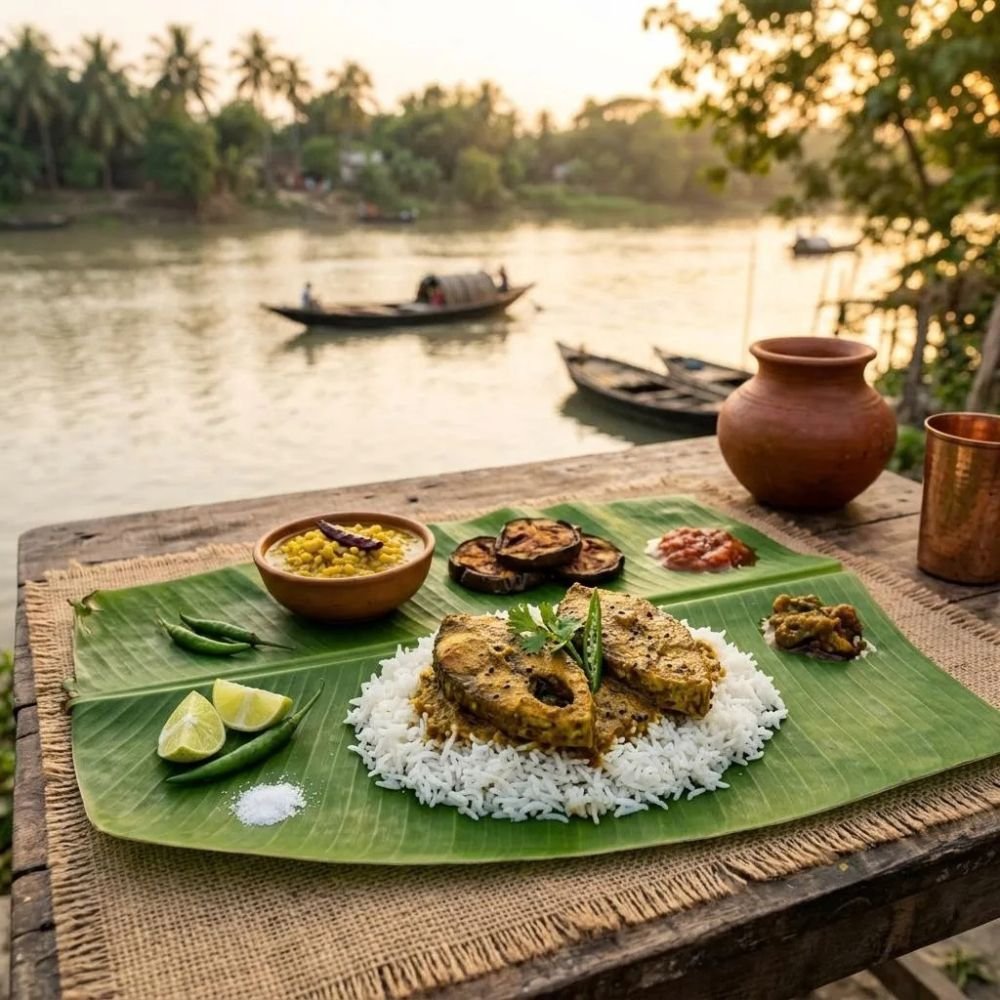
Depending on your package, stays may include local resorts, guest houses or selected island properties. Bengali meals and locally inspired dishes can be planned according to your itinerary.
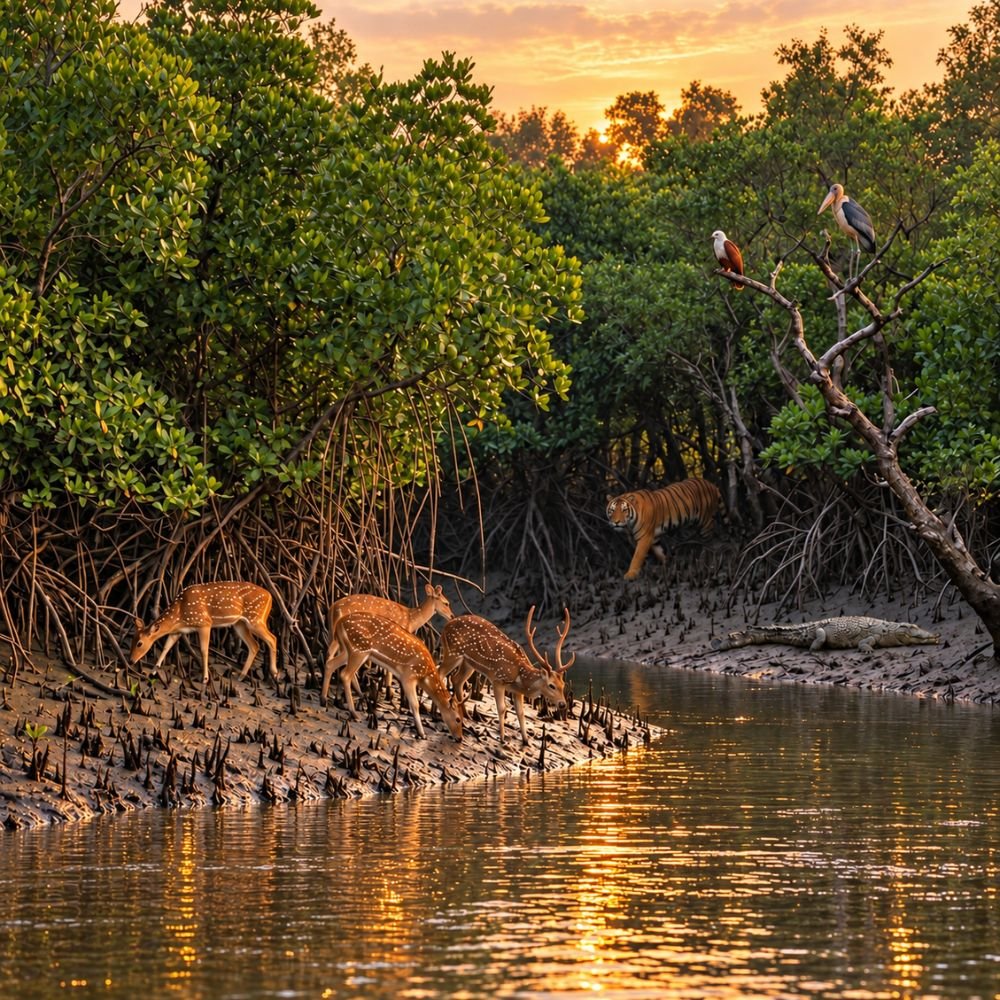
Protected forest routes follow Forest Department rules. Permit requirements, guide arrangements, route access and timings may vary according to the area, travel date, tide and official instructions.
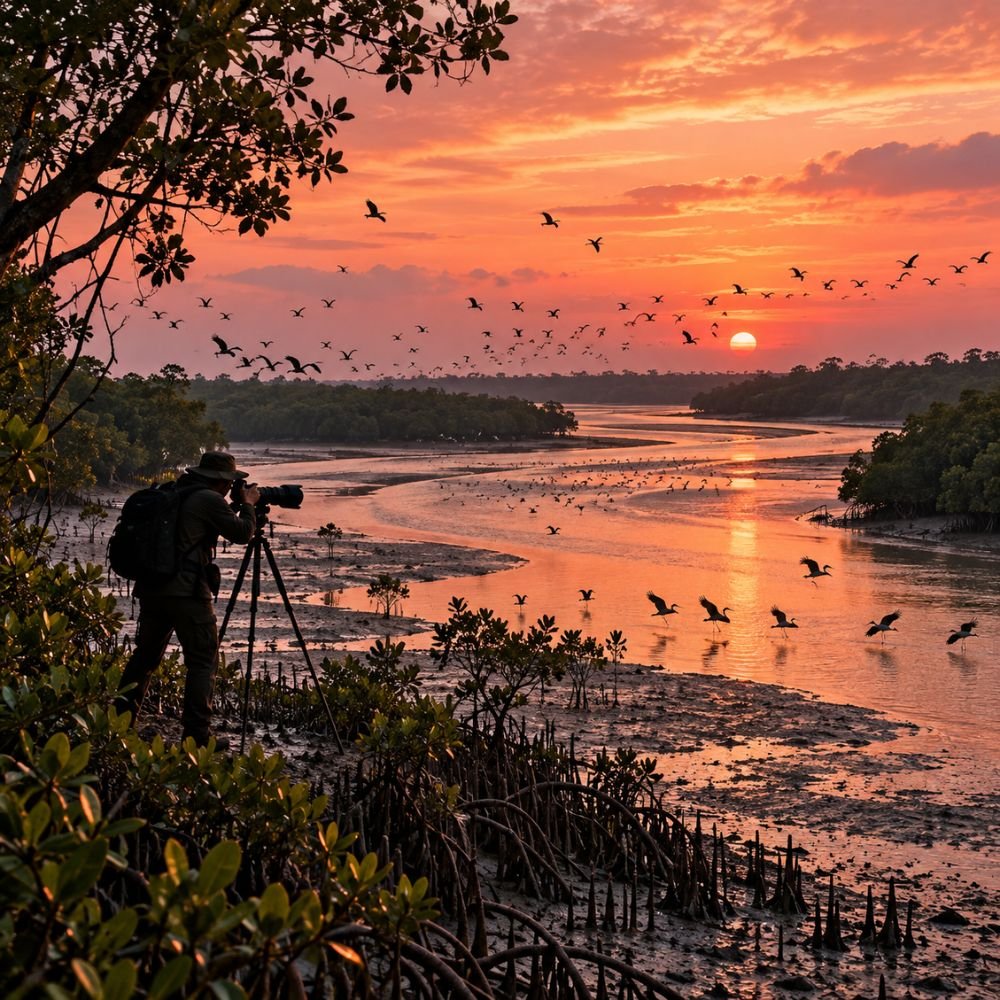
Early morning and late afternoon usually offer softer light. Carry a longer lens for birds and wildlife, protect equipment from moisture and always follow your guide and forest rules.
Choose the season according to weather comfort, river conditions and the kind of Sundarban experience you want.
Cooler weather, comfortable river travel and clearer days make this the preferred season for most Sundarban travellers.
Warmer temperatures and brighter afternoons. Carry lighter clothing, stay hydrated and plan realistic outdoor timings.
Heavy rain, tide changes and weather conditions can affect forest access, boat movement and sightseeing schedules.
Most journeys begin from Kolkata and continue towards a riverside jetty before the final boat transfer into the Sundarban tourism zone.
Quick answers to common questions travellers ask while preparing for a Sundarban tour.
Organised Sundarban trips are generally planned around approved routes, local boat operators and Forest Department instructions. Guests should follow the guide, avoid restricted zones and respect all wildlife-safety rules.
October to February is usually the most comfortable season for most travellers because temperatures are milder and river journeys are pleasant. March to May is warmer, while monsoon weather can affect access and schedules.
Tiger sightings cannot be guaranteed. Wildlife is free-ranging, so sightings depend on movement, tide, season, route and luck. The Sundarban experience is also about mangroves, birds, waterways and the wider ecosystem.
Carry light clothes, comfortable footwear, sunscreen, insect repellent, essential medicines, a power bank, binoculars, camera protection and valid photo identification. Compact luggage is easier during boat transfers.
Accommodation is generally arranged on inhabited islands and tourism-accessible areas rather than inside restricted protected forest zones. The exact property depends on the package, budget, group size and availability.
Travel time varies according to traffic, pickup point, jetty and route. Most itineraries combine a road or train transfer with a final boat journey, so the complete transfer normally takes several hours.
Permit, guide, boat and entry charges can vary by route, protected area, traveller category and Forest Department rules. Confirm current inclusions and applicable charges before your travel date.
Share your travel dates, group size and preferred experience. We can help you choose a suitable package and coordinate the journey from pickup to river safari.